The Green Golf Course Above: How Rooftop Gardens Transform Urban Landscapes
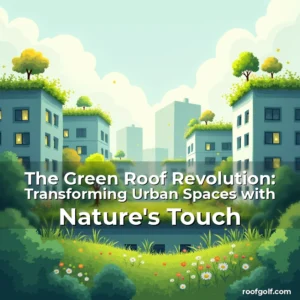
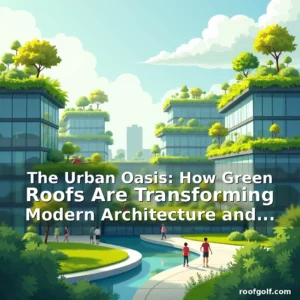
In an era defined by urban sprawl and climate change, green roofs stand out as innovative solutions blending nature with architecture. These living rooftops offer more than aesthetic appeal—they provide ecological resilience, insulation, and even recreational opportunities. From city centers to suburban neighborhoods, green roofs are reshaping our built environment.
RoofGolf enthusiasts and eco-conscious developers alike are turning to green roofs to redefine space utilization. By integrating vegetation into rooftop designs, we unlock new dimensions of functionality, sustainability, and community engagement. This article explores the science, artistry, and practicality behind transforming flat rooftops into thriving ecosystems.
Eco-Innovation at Your Feet: The Environmental Impact of Green Roofs
A green roof isn’t merely a decorative feature—it’s a powerful tool for environmental stewardship. Vegetation absorbs carbon dioxide, filters airborne toxins, and reduces the urban heat island effect. Together, these actions create cleaner air and lower temperatures in densely populated areas.
Stormwater Management: One of the most compelling advantages of green roofs lies in their ability to manage rainfall. Unlike conventional impervious surfaces, green roofs act as natural sponges, soaking up rainwater and releasing it gradually. This process mitigates flooding risks and eases pressure on municipal drainage systems.
- Reduces runoff volume: Studies show green roofs can retain 50–90% of rainfall depending on depth and plant density.
- Filtration system: Root structures filter pollutants, removing heavy metals and organic compounds from water before it reaches groundwater.
Biodiversity Boost: Green roofs serve as microhabitats for pollinators, birds, and insects. In cities where natural habitats are scarce, these elevated gardens become sanctuaries for wildlife, fostering ecological balance and supporting local food chains.
Energy Efficiency: Insulation properties of soil and vegetation help regulate building temperatures. During summer, green roofs reduce cooling demands by shading buildings and evaporating moisture. In winter, they provide additional thermal resistance, lowering heating bills.
Rooftop Ecosystems: Designing for Functionality and Beauty
Designing a green roof requires balancing aesthetics with performance. Architects must consider load-bearing capacity, climate conditions, and intended usage. Whether creating a serene meditation garden or a vibrant sports field, every element plays a role in success.
Material Selection: Choosing the right substrate mix is crucial. Lightweight soils containing perlite or expanded clay aggregates minimize structural strain while providing nutrients for plants. Drainage mats and root barriers prevent erosion and protect underlying membranes.
Structural Integrity: Laying the Foundation
Before planting grasses or installing solar panels, engineers assess the building’s load capacity. Reinforced concrete decks often support heavier intensive systems with deep soil beds, whereas lightweight substrates suit extensive installations. Consulting experts ensures safety and longevity.
Drainage Systems: A well-designed drainage layer prevents waterlogging. Geotextile fabrics separate soil from waterproof membranes while allowing excess water to flow freely. Overflow channels redirect surplus rainfall away from vulnerable areas.
Growing Greens: Plant Choices and Maintenance Strategies
Selecting resilient vegetation tailored to local climates maximizes green roof viability. Sedums, mosses, and native grasses thrive in harsh rooftop conditions, offering low-maintenance alternatives to traditional lawns. Diverse plant selections enhance visual interest and ecological value.
Maintaining a Living Roof: Regular inspections, irrigation adjustments, and pest control ensure long-term health. Automated sensors monitor moisture levels, triggering irrigation systems when necessary. Pruning overgrown species maintains balance and prevents invasive spread.
- Sedum varieties: Known for drought tolerance, sedums form dense carpets ideal for extensive systems.
- Native wildflowers: Attract butterflies and bees, enriching biodiversity while adding seasonal color.
Seasonal Care: Winter dormancy periods require careful preparation. Mulching protects roots from frost, while protective covers shield sensitive plants. Springtime renewal involves thinning overcrowded growth and replenishing nutrient-rich topsoil.
Green Roofs and Recreation: Beyond Traditional Uses
While many associate green roofs with environmental benefits, their recreational potential is equally transformative. Rooftop parks, fitness trails, and even mini-golf courses integrate leisure activities into urban landscapes. RoofGolf exemplifies this trend, merging sport with sustainability.
Community Engagement: Public access to green roofs fosters social interaction and mental wellness. Community gardens encourage collaboration while promoting healthy lifestyles. Educational signage highlights ecological principles, making learning accessible and enjoyable.
Commercial Applications: Businesses leverage green roofs as marketing tools. Restaurants host outdoor dining experiences, while offices create biophilic workspaces linked to improved productivity. These initiatives demonstrate economic incentives beyond environmental gains.
Economic Considerations: Cost-Benefit Analysis of Green Roofs
Investing in a green roof involves upfront expenses but delivers substantial long-term savings. Initial costs vary based on size, complexity, and material choice. However, energy bill reductions, extended roof lifespan, and increased property values offset these expenditures.
Initial Investment: Extensive systems typically range from $8 to $16 per square foot, while intensive installations may exceed $20 due to deeper soil layers and specialized infrastructure. Government grants and tax credits sometimes subsidize construction efforts.
Long-Term Savings: Energy consumption drops significantly thanks to enhanced insulation. Some buildings report annual utility savings exceeding 15%. Additionally, reduced stormwater fees and insurance discounts contribute to financial returns.
Case Studies: Success Stories Around the World
Cities worldwide showcase remarkable green roof implementations. Germany leads in adoption rates, with regulations mandating coverage percentages for new developments. Vancouver’s False Creek Flats project transformed industrial sites into lush public spaces, illustrating scalable models for urban regeneration.
Vancouver’s Green Legacy: Covering 1.6 million square feet, this initiative integrates agriculture, recreation, and conservation. Residents enjoy rooftop farms producing fresh produce year-round, demonstrating how vertical farming complements green infrastructure.
New York City’s High Line: Originally a disused rail line, this elevated park now features integrated green roof elements. Native plants flourish alongside walking paths, attracting tourists and locals seeking respite from street noise—a testament to adaptive reuse.
Overcoming Challenges: Common Obstacles and Solutions
Despite numerous benefits, adopting green roofs presents hurdles. Structural limitations, maintenance labor, and regulatory uncertainties deter some stakeholders. Addressing these concerns proactively increases feasibility across sectors.
Structural Limitations: Older buildings may lack sufficient reinforcement for heavy loads. Retrofitting options exist, including phased implementation or using lighter substrates. Engaging structural engineers early helps identify viable approaches.
Regulatory Hurdles: Local codes vary widely concerning building standards and fire safety protocols. Collaborating with municipalities streamlines approval processes. Advocacy groups promote policy reforms favoring sustainable development.
Towards a Greener Future: Integrating Green Roofs into Modern Architecture
As awareness grows, so does integration of green roofs into mainstream construction. Innovations in smart technology enable remote monitoring, optimizing resource allocation. Modular systems simplify retrofitting existing structures, expanding accessibility for diverse users.
Smart Integration: IoT devices track soil moisture, temperature fluctuations, and UV expo Predictive analytics forecast maintenance needs, minimizing disruptions caused by unexpected failures.
Modular Advancements: Prefabricated panels allow swift deployment without damaging original roofing. Interlocking tiles facilitate easy replacement of damaged components, enhancing durability and adaptability over time.
Conclusion
Green roofs represent a paradigm shift toward harmonious coexistence between human habitation and natural ecosystems. They embody innovation, sustainability, and community spirit, offering multifaceted rewards far beyond initial expectations.
Whether you’re part of RoofGolf or simply curious about sustainable living, embracing green roofs contributes positively to planetary health. Take inspiration from global successes and begin envisioning your own rooftop transformation today—for yourself, your neighborhood, and future generations.