Mastering the Swing Zone: Unlocking Precision and Power in Your RoofGolf Game
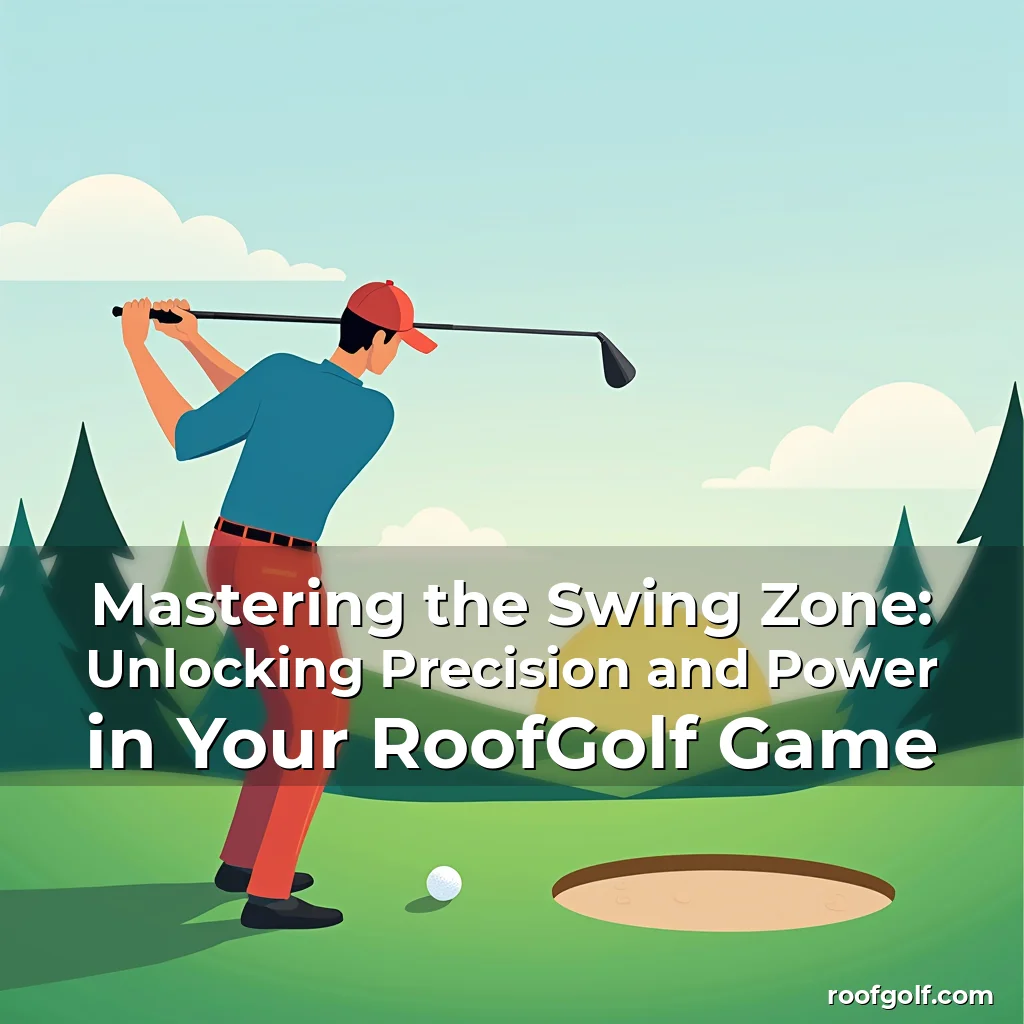
The “swing zone” is the invisible yet critical area where every golfer’s success hinges—especially in the dynamic world of RoofGolf. This unique environment demands mastery of balance, timing, and spatial awareness, making the swing zone both a challenge and a gateway to excellence.
In RoofGolf, where confined spaces meet unpredictable weather patterns, refining your swing zone isn’t optional—it’s essential. Whether you’re teeing off atop a skyscraper or navigating a rooftop course, understanding this zone transforms casual play into competitive edge.
What Is the Swing Zone? A Deep Dive Into Its Core Principles
The swing zone refers to the precise physical and psychological framework within which a golfer executes their motion. It encompasses body positioning, weight distribution, and mental focus during the backswing, transition, and follow-through phases.
In traditional golf courses, the swing zone often extends freely across open fairways. However, in RoofGolf, environmental factors like tight boundaries, uneven surfaces, and wind turbulence compress this zone significantly, requiring adaptation at every turn.
- Physical Boundaries: On rooftops, the swing zone must remain compact to avoid collisions with structures, trees, or other players.
- Mental Focus: Limited space amplifies the need for concentration, as even minor missteps disrupt rhythm and power output.
Breaking Down the Components of a Perfect Swing Zone
A well-defined swing zone begins with foundational setup. Proper posture, including slight knee flexion and spine tilt, creates stability while allowing fluid movement within restricted areas.
Grip pressure plays a subtle but vital role. Too firm, and tension stiffens the arms; too loose, and control wavers. Finding equilibrium ensures consistent contact with the ball despite external distractions.
The Role of Balance and Alignment
Balancing between the feet becomes crucial in RoofGolf. Uneven surfaces demand micro-adjustments to prevent toppling mid-swing. Using textured mats or adjusting footwear can enhance traction in challenging conditions.
Alignment with the target line is non-negotiable. Even a 2-degree deviation can lead to severe shot inconsistencies, especially when obstacles limit recovery options after errant swings.
Tips for Optimizing Your Swing Zone in Urban Settings
Urban landscapes present unique challenges that require creative problem-solving. Incorporating portable training aids like weighted clubs or resistance bands helps simulate varied terrain and refine muscle memory.
Practicing under simulated stressors—such as playing alongside others or dealing with sudden gusts—is invaluable. These scenarios build resilience against distractions inherent to rooftop environments.
- Use Mirrors: Install small mirrors near your practice spot to monitor form and correct deviations instantly.
- Leverage Technology: Smartwatches or smartphone apps track swing speed, tempo, and distance metrics, offering objective feedback.
Common Mistakes and How to Correct Them
Failing to adjust your swing zone size based on available space is a frequent pitfall among beginners. Overestimating room leads to awkward postures that compromise accuracy and safety.
Ignoring local regulations regarding rooftop activities also poses risks. Always confirm permitted hours and rules before practicing, ensuring compliance avoids legal complications and promotes harmonious coexistence with building occupants.
Advanced Techniques for Elite RoofGolfers
Elite players employ advanced visualization techniques to mentally map out potential hazards ahead of time. Visualizing paths around buildings or avoiding low-hanging branches enhances pre-shot preparation dramatically.
Partnering with experienced mentors provides personalized guidance tailored specifically towards overcoming rooftop-specific hurdles. Their insights offer shortcuts gained through years of trial-and-error experimentation.
Environmental Factors Impacting Your Swing Zone
Weather volatility greatly influences optimal swing mechanics. Rain softens concrete tiles, altering friction levels beneath shoes; strong winds deflect shots unpredictably, forcing adjustments mid-motion.
Seasonal changes further complicate matters. Summer heat increases sweat production affecting grip strength whereas winter cold stiffens joints reducing flexibility needed for full-range movements.
Cultivating Mental Toughness Within Restricted Spaces
Developing mental toughness requires deliberate effort beyond mere technical skill acquisition. Breathing exercises help manage anxiety spikes caused by high-stress situations involving close proximity to property edges or crowds.
Mindfulness meditation practiced regularly builds emotional resilience necessary for maintaining composure regardless of external pressures encountered frequently in urban settings.
Community Insights: What Top RoofGolfers Recommend
Leading figures within the RoofGolf community emphasize regular stretching routines focusing particularly on hip mobility since restricted spaces often restrict natural rotational ranges typical found elsewhere.
They advocate incorporating interval training sessions alternating between short bursts of intense activity followed by complete rest periods designed to mimic game-like intensity spikes encountered commonly during competitions held on rooftops.
Conclusion
Understanding and mastering the intricacies surrounding the swing zone elevates RoofGolf from recreational pastime status toward professional caliber competition standards achievable only through dedicated study and persistent application.
To begin improving today, identify three immediate steps targeting weaknesses observed consistently during recent gameplay experiences then commit fully toward executing those improvements daily until noticeable progress manifests visibly in overall performance outcomes.