The Green Roof Revolution: Transforming Urban Spaces with Nature’s Touch
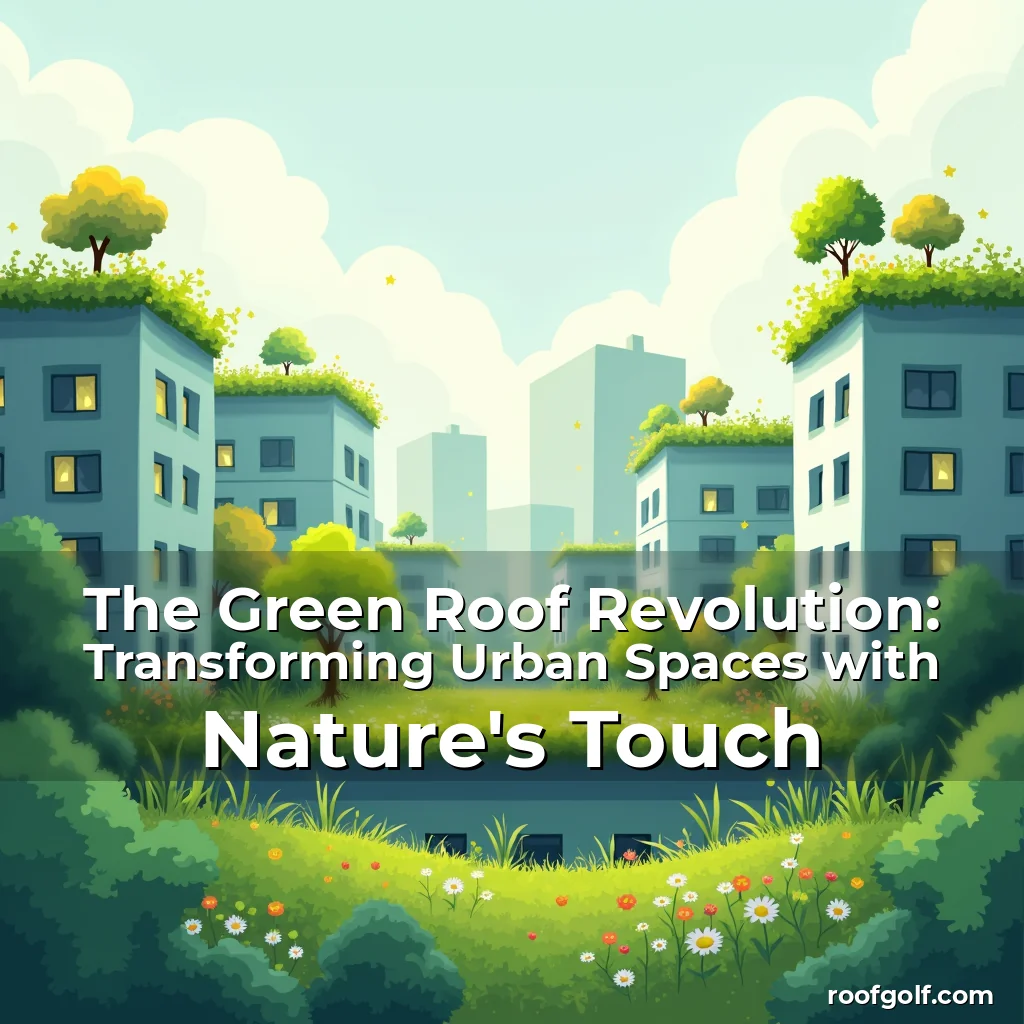
In an era where urbanization is rapidly reshaping our landscapes, green roofs have emerged as a groundbreaking solution that merges sustainability with architectural innovation. These living structures not only offer aesthetic appeal but also provide essential environmental benefits such as stormwater management, improved insulation, and enhanced biodiversity. As cities continue to grow denser, integrating green spaces through green roofs has become increasingly vital.
Green roofs are more than just trendy additions; they represent a shift towards sustainable building practices that prioritize ecological balance while meeting modern needs. By incorporating vegetation onto rooftops, buildings can significantly reduce their carbon footprint and contribute positively to local ecosystems. This dual benefit makes them an attractive option for both residential and commercial properties alike.
Understanding What Makes a Green Roof Unique
A green roof differs from traditional roofing systems by featuring layers designed specifically for plant growth. At its core lies a waterproof membrane that protects the underlying structure from moisture damage. Above this layer sits a drainage system which helps manage excess water efficiently before it reaches the root zone.
Beneath the soil layer, there’s often an additional filtering component known as the filter fabric. This prevents fine particles from clogging up drains while allowing adequate water flow beneath the growing medium. Together these components create an environment conducive to healthy plant life without compromising structural integrity.
- Waterproof Membrane: Acts as the first line of defense against leaks and water penetration.
- Drainage Layer: Ensures proper water distribution and prevents saturation of the substrate below.
- Filter Fabric: Keeps debris out of drain pipes while facilitating efficient water movement.
- Growing Medium: Provides nutrients and support necessary for various types of plants.
Each element within a green roof plays a crucial role in maintaining functionality over time. Without careful consideration during installation, even minor oversights could lead to long-term issues affecting performance and longevity.
Eco-Friendly Benefits of Implementing Green Roofs
The primary advantage of installing a green roof stems from its ability to mitigate urban heat island effects caused by excessive concrete surfaces absorbing solar radiation. Vegetation cools surrounding areas naturally through evapotranspiration processes, reducing overall temperatures around built environments.
Moreover, green roofs act as natural insulators helping regulate indoor climates year-round. In summer months, they reflect sunlight away from buildings thereby decreasing cooling demands; conversely, during winter seasons they retain warmth preventing significant energy loss due to cold exposure.
Environmental Impact Metrics
Studies conducted across several metropolitan regions indicate that widespread adoption of green roofs can lower ambient air temperatures by approximately 2°C compared to conventional rooftop materials. This reduction contributes significantly toward combating global warming trends exacerbated by climate change factors.
Additionally, research shows that properly maintained green roofs can absorb nearly twice as much rainfall runoff than standard impervious surfaces do. Such absorption capacity reduces strain on municipal sewer systems during heavy precipitation events thus minimizing flood risks associated with extreme weather patterns.
Diverse Applications Across Various Building Types
From high-rise apartments to industrial warehouses, green roofs find application across diverse architectural settings depending upon available space constraints and intended usage scenarios. Residential homes benefit immensely from having vegetated terraces offering private outdoor recreation zones devoid of typical city noise pollution.
Commercial enterprises leverage green roofs primarily for enhancing brand image aligned with eco-conscious values held dear among contemporary consumers. Retailers particularly capitalize on creating visually appealing facades attracting foot traffic while simultaneously promoting environmentally responsible business operations.
In contrast, public institutions such as schools or hospitals utilize green roofs mainly for educational purposes demonstrating practical implementations of sustainability measures aimed at inspiring future generations regarding conservation efforts.
Design Considerations for Optimal Performance
Before embarking on any green roof project, thorough evaluation of existing structural conditions becomes imperative. Engineers must assess load-bearing capacities ensuring that proposed designs comply strictly with safety regulations governing weight limits applicable to different building classifications.
Climate considerations play another pivotal role influencing choice of vegetation species suitable for particular geographic locations. Selecting native flora increases chances of successful establishment since these plants possess inherent resilience developed over centuries adapting locally specific climatic variations including temperature ranges and seasonal fluctuations.
Proper irrigation strategies form yet another critical aspect warranting attention especially when designing extensive green roofs covering larger surface areas requiring consistent moisture supply regardless of rainfall availability throughout varying seasons.
Structural Integrity Assessments
To determine whether current infrastructure supports additional loads imposed by adding vegetation coverages above original roofing configurations, professionals conduct comprehensive stress tests evaluating potential weaknesses susceptible under new operational parameters introduced via modifications made during retrofitting phases.
Such assessments involve calculating projected dead weights based upon anticipated thicknesses along with live loads attributable activities occurring within designated recreational zones established atop modified rooftops serving multifunctional roles beyond mere landscaping features.
These evaluations ensure compliance with international standards set forth by organizations specializing in civil engineering best practices guaranteeing safe utilization periods extending well beyond initial construction timelines without necessitating premature replacements or reinforcements.
Installation Process Overview
The journey begins with preparing the base surface thoroughly cleaning away any residual contaminants potentially interfering with adhesion qualities required for subsequent coating applications ensuring secure bonding between foundational elements and protective membranes laid down next step ahead.
Following completion of preparatory steps comes laying out the waterproofing layer meticulously adhered using appropriate sealants eliminating voids capable harboring moisture seepage pathways threatening stability levels expected from functional units operating continuously exposed outdoors subject constant elemental interactions.
Once sealed adequately, installers proceed placing filtration fabrics positioned strategically underneath drainage channels directing surplus liquids downwards efficiently avoiding accumulation problems leading possible degradation consequences impacting service lives negatively otherwise manageable circumstances.
Layer-by-Layer Construction Details
After securing all foundational layers correctly installed according to manufacturer specifications provided detailing precise dimensions recommended for optimal effectiveness, workers move forward applying nutrient-rich substrates tailored precisely matching selected botanical specimens’ requirements regarding pH balances favorable growth rates achievable under prevailing environmental conditions encountered regularly experienced locales chosen housing planned installations.
This process includes careful calibration measurements determining ideal depths allocating sufficient resources enabling robust development cycles sustaining vibrant foliage visible periodically inspected maintained consistently throughout extended deployment durations exceeding normal expectations associated ordinary maintenance routines typically observed non-green-roofed counterparts lacking similar provisions.
Finally, once everything settles appropriately after final checks confirming adherence strict quality control protocols mandated industry benchmarks, planting commences following pre-determined layouts maximizing spatial efficiencies accommodating varied heights distinguishing distinct plant categories arranged aesthetically pleasing manner contributing visual allure complementing structural functionalities achieved through meticulous planning executed diligently every stage involved transformation bare concrete slabs lush verdant expanses teeming life forms thriving symbiotically human-made constructs nature itself.
Maintenance Needs & Long-Term Care Strategies
While green roofs require less frequent interventions compared to traditional gardens, regular upkeep remains essential for sustained health and productivity spanning years post-installation. Periodic inspections help identify early signs of wear indicating need immediate repairs preventing escalation costs later stages neglect creeping unnoticed until irreversible damages occur.
One key maintenance task involves monitoring irrigation systems ensuring consistent delivery schedules aligning closely with actual consumption rates dictated fluctuating weather patterns influencing evaporation speeds altering hydration needs accordingly adjusting manually automated controls managing resource allocations effectively conserving precious water supplies judiciously.
Pruning diseased or overcrowded branches promotes airflow circulation deterring fungal infections likely spreading unchecked dense clusters restricting light penetration diminishing photosynthetic capabilities essential sustenance mechanisms supporting continued vitality displayed thriving vegetation monitored routinely throughout annual cycles tracking developmental progressions assessing adjustments necessary optimizing outcomes consistently delivered reliably.
Pest Management Protocols
Implementing integrated pest management techniques proves highly effective controlling unwanted intrusions disrupting ecosystem equilibrium threatened invasive organisms competing rightful inhabitants vying limited nourishment sources crucial survival dynamics balanced carefully maintained delicate interdependencies reliant mutualistic relationships cultivated deliberately nurtured fostering resilient communities resistant external pressures destabilizing fragile equilibriums otherwise vulnerable disruptions unaddressed promptly addressed proactively.
Regular surveillance enables timely detection suspicious anomalies prompting swift responses deploying targeted treatments minimizing collateral damage preserving beneficial insect populations instrumental pollination services supporting broader ecological networks interconnected vast webs dependencies reinforcing intrinsic value derived harmonious coexistence facilitated conscious stewardship practiced conscientiously cultivating enduring legacies benefiting present future generations inheriting enriched environments reflecting collective commitment nurturing planet Earth’s abundant gifts bestowed generously entrusted safeguarding legacy entrusted humanity’s responsibility honoring sacred trust bestowed wisely wielded generating positive ripple effects cascading outward infinitely expanding horizons possibilities unfolding daily lived experiences shaped purposeful choices made thoughtfully today paving paths tomorrow.
By adopting proactive approaches addressing challenges preemptively rather waiting reactive solutions emerging crises already manifested, caretakers cultivate thriving habitats embodying ideals sustainability encapsulated green roofs symbolizing hope renewal reimagining urban realms infused natural essence breathing fresh perspectives invigorating communal spirit fostering unity appreciation shared heritage rooted deep connection land nurturing bonds strengthening ties binding people places together forming cohesive societies embracing holistic philosophies celebrating diversity richness found every leaf blade grass stalk echoing ancient wisdom whispering timeless truths guiding journeys ahead.
Economic Advantages Beyond Environmental Gains
Although initially perceived as costly investments, green roofs yield substantial financial returns over time through reduced utility bills stemming from improved thermal regulation decreasing reliance artificial heating/cooling appliances consuming considerable amounts electricity annually increasing household expenses burdensome particularly households struggling economic hardships.
Federal incentives exist encouraging adoption sustainable technologies offering tax credits rebates assisting offset upfront expenditures easing transition greener alternatives aligning personal interests governmental objectives mutually beneficial agreements fostering collaborative partnerships advancing common goals accelerating pace transformations underway globally.
Furthermore, property valuations appreciate notably whenever developments incorporate green features elevating marketability attracting discerning buyers willing pay premium prices enjoying enhanced livability attributes synonymous wellness lifestyles pursued consciously actively sought after increasingly competitive real estate markets prioritizing health consciousness environmental awareness paramount decision-making criteria shaping modern consumer preferences significantly.
Cultural Shift Towards Sustainable Living Practices
The rise of green roofs reflects a deeper cultural transformation emphasizing harmony between civilization nature advocating responsible consumption behaviors curbing wasteful habits prevalent past decades fueled unsustainable growth models exploiting finite resources heedlessly disregarding long-term repercussions borne future generations.
Communities rallying behind initiatives promoting rooftop gardening projects serve dual functions: providing food security options supplementing conventional agricultural outputs while simultaneously beautifying neighborhoods instilling sense pride ownership residents taking active part revitalizing neglected spaces transforming blighted areas flourishing oases embodying resilience creativity perseverance evident everywhere witnessed revival movements gaining momentum worldwide.
As awareness spreads regarding profound impacts human activity planetary ecosystems, more individuals seek ways integrate eco-friendly solutions everyday existence choosing greener choices irrespective socioeconomic statuses recognizing power small actions collectively exerting transformative influence sweeping changes happening incrementally cumulatively resulting paradigm shifts redefining what constitutes acceptable lifestyle norms previously deemed impractical inconvenient now celebrated achievements milestones marking progress achieved through persistent effort unwavering dedication pursuing better world for everyone irrespective background origins aspirations.
Future Innovations Shaping Next Generation Green Roofs
Ongoing technological advancements promise exciting enhancements forthcoming generations green roofs incorporating smart sensors detecting moisture levels automatically activating drip irrigation systems responding dynamically changing conditions ensuring optimal hydration without manual intervention required traditional methods involving guesswork estimating needs based vague assumptions potentially leading inefficiencies wasting resources unnecessarily.
Biophilic design principles are being explored further aiming blur boundaries separating indoor outdoor spaces utilizing transparent panels enclosing entire garden plots situated directly above workspaces allowing employees access fresh air natural scenery boosting mental wellbeing reported studies linking proximity greenery increased productivity decreased stress levels translating tangible benefits businesses seeking competitive edges retaining top talent amidst fierce recruitment battles characterizing current labor markets demanding innovative workplace offerings catering evolving workforce expectations.
Researchers investigating bioengineered materials possessing self-repairing properties envision future rooftops regenerating damaged sections autonomously eliminating need periodic recoatings repurposing recycled plastics biodegradable composites reducing dependency virgin raw materials mitigating plastic waste pollution plaguing oceans marine life endangered severely impacted anthropogenic activities persistently undermining aquatic habitats necessitating urgent remedial actions restoring equilibrium disrupted ecosystems.
Conclusion
Green roofs stand as testament ingenuity blending ecological mindfulness cutting-edge architecture creating symbiotic relationship man nature. Their multifaceted advantages extend far beyond aesthetics encompassing environmental restoration economic prosperity social cohesion integral pillars shaping resilient cities prepared face impending challenges looming horizon.
For those considering implementing green roofs, understanding fundamental components benefits serves foundation launching successful ventures enriching urban landscapes fostering sustainable futures. With diligent planning execution, anyone passionate about making difference can transform flat rooftops into thriving havens brimming vitality beauty awaiting discovery.