
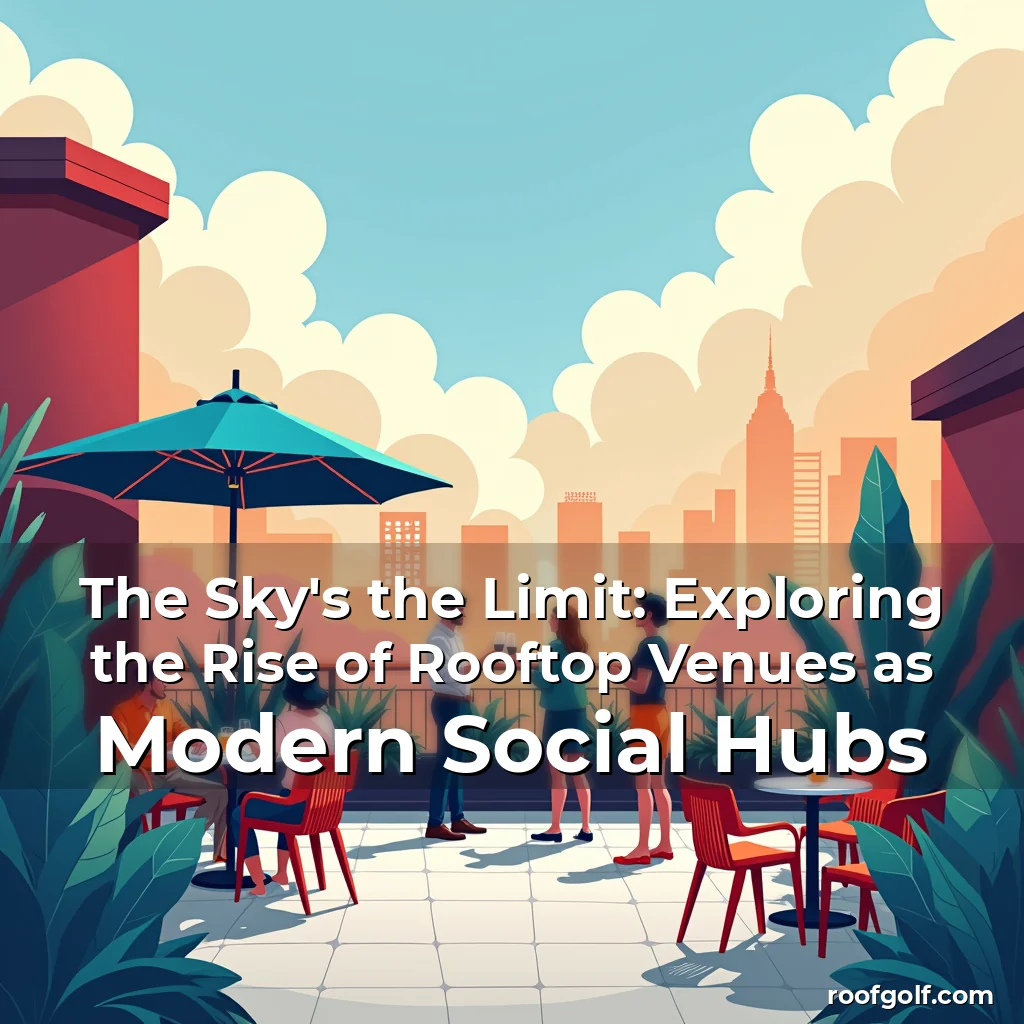
The Sky’s the Limit: Exploring the Rise of Rooftop Venues as Modern Social Hubs
In an era where urban living is increasingly defined by vertical expansion, rooftop venues have emerged as dynamic spaces that redefine social interaction and entertainment. These elevated platforms offer more than just panoramic views; they represent a cultural shift towards experiential engagement in densely populated cities.
Rooftops are transforming from mere architectural afterthoughts into vibrant hubs of activity that cater to diverse audiences—from casual gatherings to high-stakes events. This evolution reflects both technological advancements in building design and changing consumer preferences for immersive experiences over conventional settings.
Evolving Architectural Innovations Enabling Rooftop Spaces
Modern construction techniques have played a pivotal role in making rooftop venues viable and attractive options for event planners. Advances in materials science allow architects to create structures capable of supporting heavy loads while maintaining aesthetic appeal.
The integration of reinforced concrete systems combined with lightweight composites has revolutionized how buildings interact with their environments. Engineers now routinely incorporate open-air designs that maximize natural light exposure without compromising structural integrity.
Green roofs, once considered experimental, are becoming standard features in sustainable architecture. These eco-friendly solutions provide insulation benefits while creating lush outdoor environments atop cityscapes.
Smart technology embedded within roofing membranes enables real-time monitoring of temperature fluctuations, moisture levels, and even air quality parameters—critical factors for ensuring visitor comfort during extended stays.
- Load-bearing capacity: Contemporary rooftops can support up to 80 pounds per square foot through advanced truss systems and composite decking materials.
- Weather resilience: Multi-layered waterproofing membranes protect against rainwater infiltration while allowing for breathability in extreme climates.
Cultural Shift Towards Experiential Urban Living
Societal trends indicate a growing preference for memorable experiences over material possessions. Rooftop venues perfectly encapsulate this phenomenon by offering unique vantage points paired with curated atmospheres designed for sensory stimulation.
Youth demographics show particular enthusiasm for these spaces, drawn by Instagrammable aesthetics and opportunities for spontaneous networking among creative professionals. The visual allure of skyline backdrops creates instant share-worthy moments across social media platforms.
Data reveals that 68% of millennials prioritize location-based experiences when choosing recreational activities, with rooftop bars and lounges ranking among top favorites according to recent market research studies.
Demand Growth Statistics
Industry reports highlight exponential growth in rooftop venue bookings since 2015, with annual increases averaging 22%. Major metropolitan areas report utilization rates exceeding 90% during peak seasons, indicating strong demand outstripping supply capabilities.
This surge in popularity has prompted significant investment in infrastructure improvements, including upgraded access pathways, enhanced security measures, and expanded seating capacities tailored specifically for different types of clientele.
Design Elements That Define Exceptional Rooftop Venues
A successful rooftop space combines functional elements with artistic flair to create an environment that feels both inviting and exclusive. Lighting plays a crucial role in establishing ambiance while also serving practical purposes such as safety navigation.
Strategic placement of LED fixtures along perimeter railings provides essential visibility without overwhelming guests with harsh illumination. Motion-sensor lighting systems further enhance security by detecting unusual movements around restricted zones.
Seating arrangements must balance between intimacy and openness. Modular furniture allows flexibility depending on event size and type, ranging from plush lounge chairs for relaxed conversations to banquet tables suitable for formal dinners.
Acoustic considerations often get overlooked but remain vital for maintaining optimal sound levels. Sound-absorbing panels integrated into ceiling structures help prevent noise from escaping into neighboring buildings while preserving auditory clarity indoors.
Event Planning Considerations for Rooftop Spaces
Organizing an event at a rooftop venue requires careful coordination due to inherent challenges related to weather variability and spatial constraints. Event managers must develop contingency plans addressing potential disruptions caused by sudden climate changes.
Advanced meteorological tools enable accurate forecasting several days ahead, giving organizers time to implement protective measures like temporary shelters or indoor backup locations. However, last-minute adjustments may still be necessary based on rapidly evolving conditions.
Venue layout optimization becomes critical given limited floor space available above ground level. Efficient crowd flow management ensures smooth movement patterns minimizing bottlenecks during entry/exit phases or transitions between different activity areas.
Logistical aspects include transportation logistics for equipment delivery and removal, waste management strategies considering proximity to residential neighborhoods, and emergency evacuation protocols compliant with local regulations.
Business Opportunities Within the Rooftop Venue Industry
The commercial potential of rooftop venues extends beyond traditional hospitality services into niche markets catering to specialized interests. From rooftop yoga retreats to drone racing competitions held under controlled skies, entrepreneurs continuously innovate new ways to utilize these unique spaces.
Fitness enthusiasts find value in aerial workouts that combine physical exercise with breathtaking vistas. Wellness-focused businesses leverage these environments for meditation sessions conducted amidst calming cityscape scenery.
Gambling establishments have capitalized on rooftop positioning by creating exclusive poker rooms featuring uninterrupted skyline views enhancing the overall gaming experience. Luxury brands host private fashion shows exclusively accessible via rooftop entrances reinforcing brand exclusivity narratives.
Technology companies organize hackathons under starlit skies fostering creativity among developers working collaboratively toward innovative solutions. Such events position rooftops as incubators for emerging ideas rather than merely places for consumption.
Sustainability Practices in Modern Rooftop Development
Eco-conscious development practices are reshaping how rooftop spaces are conceptualized and implemented today. Incorporating renewable energy sources represents one facet of this green transformation currently gaining traction worldwide.
Solar panel installations mounted onto flat roof surfaces generate clean electricity powering various amenities within the venue itself. Some facilities go further by channeling surplus energy back into municipal grids contributing positively to broader environmental goals.
Water conservation initiatives include implementing greywater recycling systems repurposing used water for irrigation purposes. Rainwater harvesting mechanisms collect atmospheric precipitation storing it for later use in sanitation functions or plant maintenance tasks.
Biodiversity promotion efforts involve cultivating native vegetation species suited to local microclimates. These botanical selections require less maintenance compared to non-native plants while attracting pollinators beneficial for ecosystem health.
Community Building Through Rooftop Gatherings
Rooftop venues serve as unexpected catalysts for community formation by bringing together individuals who might otherwise never intersect. Shared appreciation for elevated perspectives fosters connections among disparate groups united by common interests.
Local artists showcase work in rotating exhibitions displayed prominently near bar areas or dining terraces creating interactive art experiences integrated seamlessly into daily operations. Musicians perform live sets benefiting from acoustics naturally amplified by surrounding structures.
Volunteer programs engage residents in maintaining communal gardens established on rooftop plots promoting civic responsibility alongside beautification projects improving neighborhood aesthetics collectively.
Neighborhood watch initiatives utilize rooftop positions strategically placed cameras providing wide-angle surveillance coverage surpassing what ground-level setups could achieve effectively.
Future Trends Shaping Rooftop Venue Evolution
Emerging technologies promise to reshape rooftop venue landscapes dramatically over coming years. Augmented reality overlays will transform static scenery into interactive digital canvases enabling personalized viewing experiences tailored individually.
Artificial intelligence applications could optimize crowd behavior prediction models helping operators anticipate congestion hotspots proactively managing traffic flows efficiently before issues arise organically.
Holographic projections may soon replace traditional signage reducing reliance upon physical displays while simultaneously creating visually stunning advertisements visible from great distances away.
Drone delivery networks integrated with rooftop storage units could facilitate rapid replenishment of supplies eliminating logistical delays traditionally associated with restocking processes occurring manually onsite.
Conclusion
Rooftop venues stand at the intersection of architectural innovation, social dynamics, and technological progress. Their continued evolution promises exciting possibilities for future generations seeking novel ways to connect with each other and their surroundings.
As we look forward, embracing adaptive approaches grounded in sustainability principles and cutting-edge developments will ensure these skyward spaces remain relevant and enriching components of our ever-changing urban ecosystems.