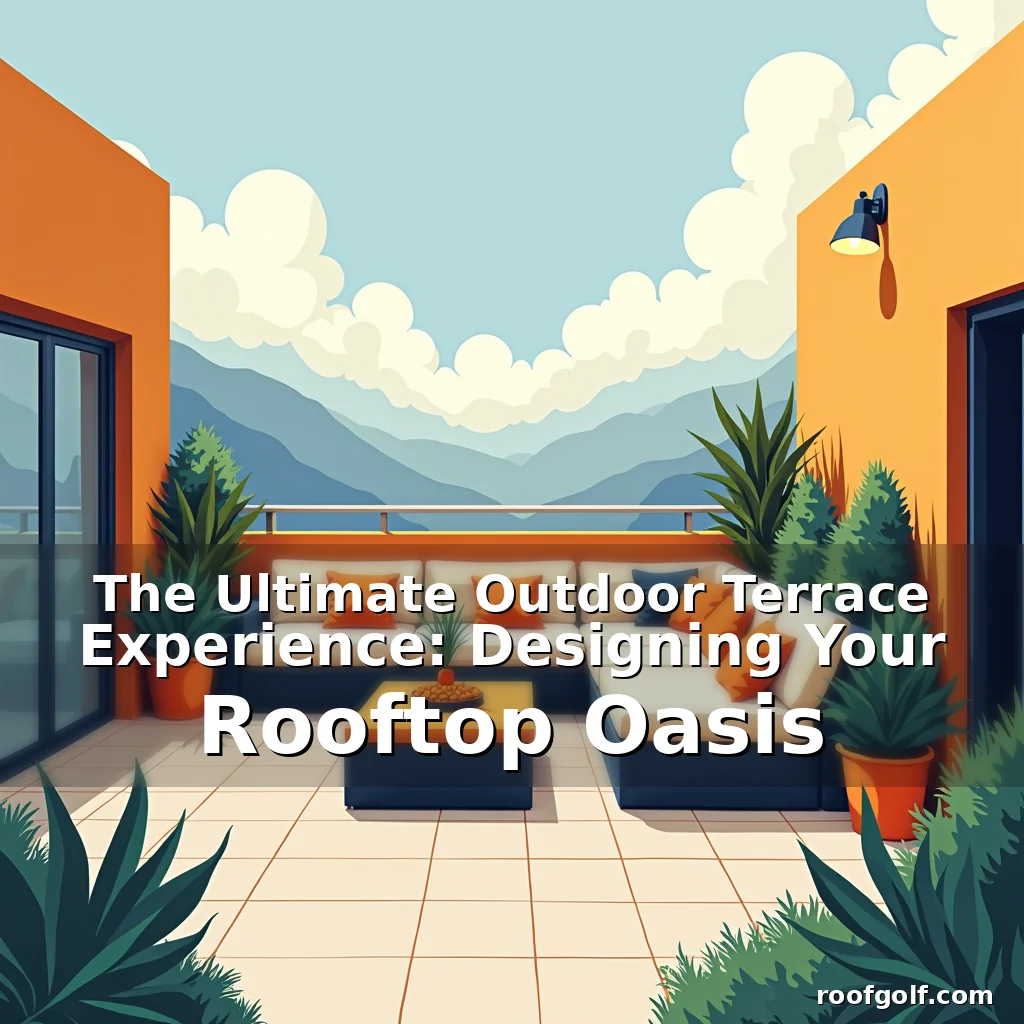
The Ultimate Outdoor Terrace Experience: Designing Your Rooftop Oasis
In an era where urban living meets nature, the outdoor terrace is becoming a sanctuary for city dwellers seeking respite from concrete jungles. This space transcends mere functionality, evolving into a personal haven that blends architecture with natural elements.
Rooftops have transformed from neglected spaces into vibrant extensions of modern homes, offering panoramic views and fresh air without leaving your neighborhood. The right design can turn any rooftop into a lush retreat worthy of magazine spreads.
Understanding the Essence of a Modern Outdoor Terrace
A successful outdoor terrace begins with understanding its dual role as both functional area and aesthetic feature. It must accommodate daily use while maintaining visual appeal through strategic material choices and layout planning.
Consideration of climate factors plays a crucial role in determining materials and plant selections. In coastal areas, salt-resistant plants become essential, while arid regions require drought-tolerant species to thrive.
- Material selection: Opt for durable surfaces like composite decking or stone pavers that withstand weather fluctuations and heavy foot traffic
- Climate adaptation: Choose native plants that require minimal maintenance and are resilient to local environmental conditions
Design Principles That Define Outstanding Terraces
Elevating your terrace’s potential requires adherence to fundamental design principles that create harmony between form and function. A well-planned layout ensures easy navigation while maximizing usable square footage.
Balancing open space with intimate seating zones creates versatile environments suitable for various activities. Incorporating elements like pergolas or trellises adds vertical interest without overcrowding the space.
The Power of Vertical Space Utilization
Vertical gardening techniques allow homeowners to cultivate greenery without sacrificing floor space. Hanging planters, wall-mounted gardens, and tiered shelving systems contribute significantly to visual depth and biodiversity.
Studies show that incorporating climbing plants like ivy or jasmine can reduce ambient temperatures by up to 8°F during summer months, providing natural cooling solutions.
Furniture Selection for Lasting Comfort
Choosing the right furniture set determines how often you’ll use your terrace. Prioritize comfort with cushions that provide support while resisting fading from sun exposure.
Durable materials like teak wood or aluminum frames ensure longevity against moisture and temperature extremes. Mixing textures through woven rattan chairs and sleek metal tables enhances visual contrast.
- Weather resistance: Look for UV-treated fabrics and waterproof padding to maintain furniture integrity over time
- Modular options: Consider sectional sofas that can be rearranged based on seasonal needs or guest numbers
Lighting Strategies That Transform Spaces After Dark
Strategic lighting transforms terraces into magical evening settings. Pathway lights guide movement safely across the surface while adding subtle ambiance to the landscape.
Recessed LED strips under railings or along walls create soft illumination without harsh glare. Motion sensors help conserve energy by activating lights only when needed.
- Safety first: Install step lighting near stairs or slopes to prevent accidents after dark
- Mood enhancement: Use pendant lamps hanging above dining areas to establish focal points in social spaces
Creative Ways to Maximize Small Terrace Spaces
Narrow terraces benefit greatly from multi-functional furniture pieces that serve different purposes. Folding tables convert easily between dining setups and workstations depending on demand.
Reflective surfaces like mirrors or polished metals visually expand limited spaces while creating interesting light effects. Mirrored panels placed strategically can make small terraces appear twice their actual size.
- Space-saving solutions: Wall-mounted storage units free up floor space while keeping essentials within reach
- Versatile furnishings: Ottomans with built-in cup holders double as extra seating and beverage stations
Integrating Nature Through Smart Landscaping
Thoughtful landscaping turns even modest terraces into thriving ecosystems. Grouping plants according to water requirements reduces maintenance efforts and promotes healthier growth patterns.
Incorporating edible plants not only provides fresh ingredients but also connects occupants with their food sources. Herbs like basil and mint flourish in containers and add culinary value year-round.
- Water-wise planting: Select drought-tolerant varieties to minimize irrigation needs and lower utility bills
- Seasonal rotation: Plan planting schedules to enjoy continuous blooms throughout changing seasons
Creating Functional Zones Within Your Terrace
Dividing your terrace into distinct activity zones improves usability and organization. Dining areas should prioritize unobstructed sightlines toward scenic views rather than facing building facades.
Entertainment zones need sufficient clearance around fire pits or grills to ensure safe distances from flammable materials. Incorporate sound-absorbing features like thick rugs or drapes to manage noise levels effectively.
- Zoning strategies: Use decorative borders or varying flooring materials to define separate functional areas organically
- Flow optimization: Arrange furniture layouts to facilitate smooth transitions between different zones without creating bottlenecks
Tips for Year-Round Enjoyment of Your Terrace
With proper preparation, your terrace becomes enjoyable regardless of season. Thermal mass materials like stone or concrete absorb heat during daylight hours and release it gradually at night.
Protecting delicate plants involves moving sensitive specimens indoors during extreme cold snaps. Insulating pipes prevents freezing damage that could cause costly repairs later.
- Winter preparedness: Apply winter-grade sealants to wooden structures before snowfall arrives
- Summer protection: Use shade sails or umbrellas to shield from intense sunlight during peak hours
Conclusion
An exceptional outdoor terrace combines thoughtful design with practical considerations to create lasting enjoyment. By focusing on quality