The Urban Golf Revolution: Redefining Fairways in City Skies
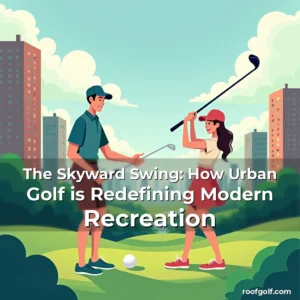
In an era where concrete jungles dominate our landscapes, urban golf has emerged as a groundbreaking sport that reimagines traditional golf courses by transforming city rooftops into green oases. This innovative adaptation challenges conventional notions of where and how golf can be played, inviting players from all walks of life to experience the game in ways previously unimaginable.
With its roots in the late 20th century, urban golf has evolved rapidly thanks to technological advancements and shifting societal attitudes toward sustainable recreation. The concept blends modern engineering with classic golf traditions, creating an entirely new dimension within the world of sports.
Rooftop Realms: The Birthplace of Urban Golf
The genesis of urban golf lies in the ingenuity of architects and engineers who recognized the potential of underutilized spaces atop skyscrapers. These high-altitude platforms offer unparalleled views while providing a canvas for creative course design.
By repurposing existing structures instead of acquiring vast tracts of land, urban golf embodies sustainability at its core. It transforms what was once dead space into vibrant recreational areas without encroaching upon natural environments.
- Space Optimization: Engineers utilize vertical dimensions through multi-tiered greens and elevated tee boxes, maximizing limited square footage effectively.
- Eco-Friendly Design: Many rooftop courses incorporate rainwater harvesting systems and native vegetation to minimize environmental impact.
These innovations have led to the creation of iconic locations such as the New York Skyline Course, which features panoramic views of Manhattan’s skyline while maintaining rigorous standards of play.
Beyond Traditional Boundaries: Innovations in Urban Golf Courses
Urban golf courses are not merely scaled-down versions of their countryside counterparts; they represent a radical departure from convention. Architects employ cutting-edge materials and digital technology to create immersive experiences tailored specifically for city settings.
One notable example is the integration of augmented reality elements that enhance player engagement during gameplay. Players receive real-time feedback via wearable devices, adjusting strategies based on dynamic course conditions presented through virtual overlays.
Technological Integration in Modern Rooftop Courses
Advancements in sensor technology allow for precise tracking of ball trajectories across complex terrains. High-speed cameras capture every swing, analyzing form and power output instantly for immediate performance evaluation.
This data-driven approach enables personalized coaching sessions conducted remotely by experts worldwide, ensuring continuous skill development regardless of geographic location.
Furthermore, smart irrigation systems monitor soil moisture levels automatically, conserving water resources crucial for sustaining lush grasses amidst urban heat islands.
Fostering Community Through Urban Golf Initiatives
More than just a novel twist on an old sport, urban golf serves as a catalyst for social interaction among diverse populations. Community events held regularly foster camaraderie between professionals and amateurs alike.
Lounges equipped with state-of-the-art amenities provide post-game relaxation spots filled with conversation and networking opportunities. These spaces often host seminars discussing everything from equipment maintenance tips to emerging trends shaping future developments in urban athletics.
Sustainability Meets Sport: Environmental Impact Analysis
The ecological footprint associated with constructing standard golf facilities pales in comparison when juxtaposed against those developed atop buildings already occupying prime real estate. This strategic choice significantly reduces carbon emissions typically linked with construction activities.
Studies indicate that well-designed rooftop gardens contribute positively towards mitigating air pollution levels by absorbing CO₂ and releasing oxygen naturally throughout densely populated regions.
Green Spaces Within Concrete Jungles
Data collected over five years shows consistent improvement in local biodiversity around established urban golf sites. Bird species diversity increased by approximately 35% annually due mainly to habitat restoration efforts incorporated into course layouts.
Pollinators such as bees benefit immensely from carefully planned flower beds integrated alongside playing surfaces. These initiatives support broader environmental goals aimed at preserving ecosystems threatened by rapid urbanization rates globally.
Moreover, using recycled materials wherever possible further diminishes negative impacts usually tied with manufacturing processes involved in producing typical athletic infrastructure components.
Challenges Facing the Growth of Urban Golf
Despite its many advantages, expanding access remains one primary challenge hindering widespread adoption. Limited availability restricts participation primarily to individuals residing near designated venues offering these services.
High initial investment costs pose another significant barrier preventing smaller municipalities from establishing similar projects unless substantial funding sources become available locally or externally through public-private partnerships.
Additionally, regulatory hurdles concerning zoning laws must be navigated meticulously before any project moves forward successfully. Compliance requires thorough understanding of municipal guidelines governing usage rights above ground level within commercial properties.
Future Prospects and Global Expansion Opportunities
Looking ahead, global interest continues growing steadily among investors eager explore untapped markets ripe for innovation-led ventures focused on experiential leisure sectors like urban golf. Emerging economies present particularly promising prospects given rising disposable incomes fueling demand for premium recreational options.
Cities experiencing population booms could leverage aerial golf installations efficiently utilizing otherwise wasted vertical expanses provided by newly constructed residential complexes featuring mixed-use developments inclusive of entertainment zones.
Collaboration between governmental bodies responsible for urban planning initiatives presents avenues for integrating such facilities seamlessly into overall city masterplans addressing long-term livability concerns faced increasingly by megacities worldwide.
Conclusion
Urban golf stands at the intersection of tradition and transformation, proving that even amid towering skylines we can cultivate pockets of tranquility reminiscent of nature’s embrace. Its emergence reflects contemporary values prioritizing both environmental consciousness and community building endeavors simultaneously.
To fully appreciate what urban golf offers, seek out nearby installation points or consider supporting advocacy groups pushing forward expansion plans targeting underserved communities seeking alternative forms of physical activity devoid of geographical constraints typically imposed upon conventional sporting pursuits today.