The Urban Oasis: How Green Roofs Are Transforming Modern Architecture and Sustainability Practices
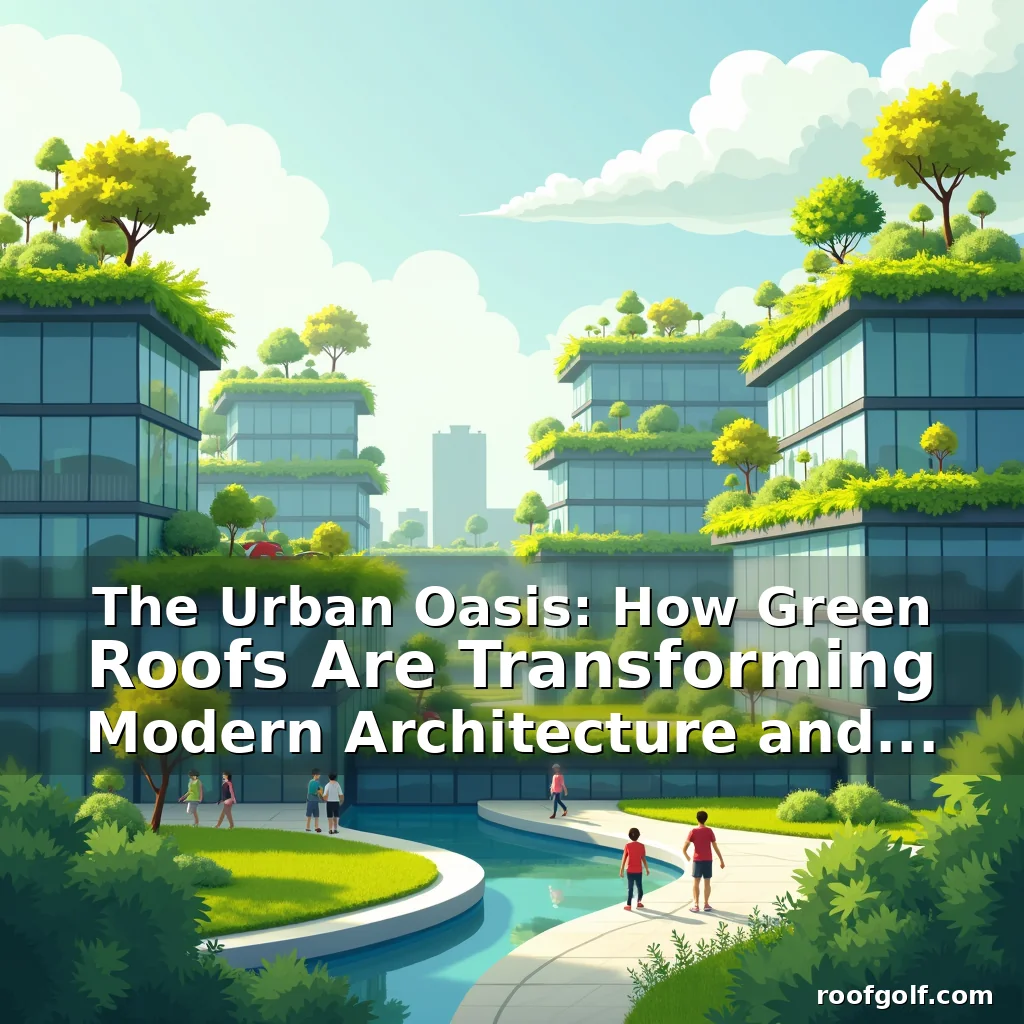
In an era where urban spaces are increasingly dominated by concrete jungles, the concept of a green roof is emerging as a revolutionary solution that blends nature with architecture. A green roof, also known as a living roof, refers to any rooftop covered with vegetation planted over a waterproofing membrane. This innovative approach not only enhances aesthetic appeal but also contributes significantly to environmental sustainability.
The rise of green roofs has been fueled by growing concerns about climate change, energy efficiency, and the need for sustainable building practices. As cities continue to expand vertically rather than horizontally, integrating natural elements into architectural designs becomes essential. This shift towards eco-friendly solutions is reshaping how we think about urban development and our relationship with the environment.
Understanding the Basics of Green Roof Systems
A green roof system comprises several layers working together to support plant life while protecting the underlying structure from damage. These systems typically include a protective layer, drainage layer, root barrier, filter fabric, growing medium, and finally, the vegetation itself. Understanding these components helps in appreciating the complexity involved in creating a successful green roof installation.
Each component serves a specific function within the overall system. For instance, the protective layer prevents physical damage during construction, whereas the drainage layer ensures excess water is efficiently removed without compromising structural integrity. By carefully selecting materials suitable for each layer, architects can tailor their design to meet both functional requirements and environmental goals.
- Protective Layer: Provides initial protection against mechanical damage during installation.
- Drainage Layer: Manages rainwater runoff effectively to prevent waterlogging below.
- Root Barrier: Prevents roots from penetrating through membranes that could cause leaks or structural issues.
- Filter Fabric: Acts as a separator between soil and drainage layers; filters out fine particles preventing clogging.
- Growing Medium: Supports plant growth while being lightweight enough not to overload existing structures.
- Vegetation: Offers ecological benefits such as insulation properties, stormwater management capabilities, etc.
Eco-Friendly Benefits of Implementing Green Roofs
Green roofs offer numerous environmental advantages that make them an attractive option for modern buildings aiming toward sustainability goals. One key benefit lies in their ability to reduce heat island effects—urban areas tend to become warmer due largely to dark surfaces absorbing sunlight rather than reflecting it back.
By incorporating vegetation onto rooftops, buildings contribute less heat to surrounding environments compared traditional roofing methods which absorb significant amounts of solar radiation. This reduction leads lower ambient temperatures around city centers thereby decreasing reliance air conditioning units thus lowering carbon emissions associated cooling processes across metropolitan regions.
Stormwater Management Capabilities
Besides mitigating urban warming issues, another crucial advantage offered by implementing green roofs relates improved stormwater management abilities. Vegetated surfaces help retain rainfall reducing volume entering sewer systems thereby alleviating pressure infrastructure prone overflow situations especially heavy downpours.
Data indicates that well-designed green roofs can capture up approximately thirty percent more precipitation than conventional counterparts allowing time groundwater recharge occur naturally without overwhelming municipal drains. Such capacity plays vital role managing extreme weather events becoming increasingly frequent global climate patterns shift unpredictably.
Energy Efficiency Gains Through Green Roof Integration
Integrating green roofs into building designs provides substantial improvements regarding energy consumption related heating ventilation air conditioning HVAC systems. Plants act insulators helping regulate indoor temperature fluctuations thus minimizing need excessive artificial climate control interventions.
During summer months when external temperatures soar high levels vegetative cover cools its surroundings via transpiration process releasing moisture atmosphere simultaneously shading surfaces underneath limiting direct sun exposure. Conversely winter seasons plants provide additional thermal mass retaining warmth inside structures further reducing dependency fossil fuel based heating sources.
Reduction in Cooling Load During Hot Seasons
This dual functionality translates practical savings utility bills occupants experience reduced strain electrical grids particularly peak demand periods coincide sweltering weather conditions. Studies show that installing green roofs may decrease cooling loads anywhere twenty five forty percent depending factors including local climate type vegetation chosen slope angle etcetera.
Such reductions mean fewer resources required maintain comfortable indoor climates ultimately contributing broader efforts combat rising greenhouse gas concentrations planet wide. Moreover decreased usage non-renewable energy sources aligns closely principles sustainable living advocated environmentally conscious communities worldwide.
Economic Advantages Associated With Green Roof Installation
While initially perceived costly investment, long-term economic benefits often outweigh upfront expenses associated constructing maintaining green roof installations. These financial incentives range extended lifespan commercial property values enhanced marketability developments featuring eco-conscious features attract tenants investors alike.
Federal state level governments frequently offer subsidies grants rebates entities opting adopt green technologies demonstrating commitment environmental stewardship. Additionally insurance companies sometimes provide discounts premium rates recognizing risk mitigation measures implemented through adoption resilient infrastructures capable withstand extreme climatic challenges.
Potential Cost Savings Over Time
Owners who choose invest green roofs stand chance realizing considerable cost savings throughout lifecycle assets they manage. Lower maintenance costs attributed reduced wear tear roofing materials combined energy conservation achievements translate tangible monetary rewards years operation period.
Moreover potential increase property value stemming perception enhanced quality lifestyle associated proximity green spaces cannot ignored either real estate industry nor individual buyers seeking homes offices situated healthier ecosystems. Thus although initial expenditure might appear daunting returns eventually justify decision making process undertaken developers planners alike.
Design Considerations for Successful Green Roof Projects
Crafting effective green roof projects necessitates thorough evaluation various factors influencing success longevity implementation plans. Key considerations encompass structural load capacities available space dimensions intended use whether recreational therapeutic purposes among others.
Architects engineers must collaborate closely assess current building load bearing abilities determine feasibility retrofitting existing structures versus designing new ones specifically accommodate vegetative weight distribution evenly across entire footprint ensuring stability safety standards met consistently.
Structural Integrity Assessments Before Implementation
Before proceeding any actual construction activities rigorous assessments conducted verify structural adequacy supporting proposed green roof installations. Engineers perform calculations evaluating dead live loads imposed addition vegetative elements considering seasonal variations moisture retention characteristics different types substrates selected planting schemes employed.
These analyses ensure neither immediate future damage occurs underlying frameworks nor compromises made regarding original purpose built facilities intended serve primarily shelter protection occupants goods housed within premises regardless modifications applied uppermost levels thereof.
Suitable Plant Species Selection for Different Climate Zones
Selecting appropriate plant species tailored respective climate zones critical factor determining long term viability healthiness maintained green roof ecosystems. Local flora adapted particular geographical region possess inherent resistance pests diseases thrive conditions prevailing area irrespective human intervention.
Choosing native plants minimizes necessity importing exotic varieties susceptible unknown pathogens potentially disrupting delicate balance established microhabitats formed interaction indigenous wildlife populations coexisting alongside cultivated specimens introduced artificially.
Native vs Exotic Flora Debate in Ecological Contexts
Though some argue introduction non-native species might enhance biodiversity landscape aesthetics, proponents ecological preservation caution against risks posed invasive organisms outcompete local species leading ecosystem degradation loss habitat diversity over time.
Therefore careful deliberation necessary before deciding final composition botanical selections used populate rooftops ensuring compatibility biological interactions occurring ground level vicinity promoting mutualistic relationships fostering self-sustaining miniature biomes atop urban edifices.
Maintenance Requirements and Longevity Expectations
Maintaining optimal condition green roofs involves regular upkeep routines addressing irrigation watering fertilization pruning pest control tasks ensuring continued vitality displayed vegetative coverage maintained visually appealing environmentally beneficial manner.
Proper hydration remains paramount factor sustaining healthy root systems preventing desiccation stress encountered arid conditions contrary humid environments require monitoring avoid saturation detrimental microbial activity affecting foundational substrate integrity negatively impacting overall performance indicators measured regularly assessments performed professionals field.
Professional Maintenance Services Recommendation
To uphold high standards care longevity achieved green roofs advisable engage certified horticultural specialists trained handle intricacies tending elevated landscapes requiring specialized equipment access tools otherwise inaccessible typical gardening setups found terrestrial gardens located grade level positions.
Engaging professional services guarantees adherence recommended protocols safeguarding investments made acquiring establishing verdant sanctuaries above street level contributing positively communal wellbeing beyond mere ornamental enhancements appreciated passersby admiring aerial vistas presented through strategic placement foliage interspersed with architectural silhouettes.
Case Studies Highlighting Real-World Success Stories
Examining successful implementations green roofs globally offers invaluable lessons learn apply replicate similar contexts enhancing effectiveness outcomes achieved analogous initiatives pursued elsewhere world map.
Notable examples include Chicago City Hall’s extensive green roof project covering 20,000 square feet, which demonstrated remarkable improvements in stormwater management and energy efficiency gains despite being situated amidst densely populated urban terrain challenging conventional assumptions regarding integration natural elements dense metropolitan settings.
Similarly, the Bosco Verticale in Milan showcases vertical forests integrated seamlessly into residential towers providing residents private outdoor spaces while significantly improving air quality throughout neighborhood vicinity benefiting public health aspects indirectly related respiratory ailments caused particulate matter suspended atmospheres.
Lessons Learned From Global Examples
Analyzing data collected post-installation these exemplary cases reveals common denominators successful execution namely meticulous planning phase involving multidisciplinary teams comprising ecologists botanists civil engineers architects alike collaboratively developing holistic blueprints respecting constraints imposed site-specific parameters simultaneously fulfilling aspirational objectives envisioned stakeholders engaged project inception stages.
Furthermore emphasis placed ongoing monitoring evaluations allows timely identification remediation needs arise inevitably complex ecosystems thriving precarious balance perpetual adjustment required sustain equilibrium attained initial deployment phases until full maturity states achieved organic development cycles governing life forms inhabiting designated habitats created topographical extensions standard horizontal landmasses.
Future Trends Shaping Evolution of Green Roof Technology
As technological advancements progress rapidly evolving landscape architectural engineering disciplines continuously refine methodologies utilized constructing maintaining green roofs adapting novel innovations emerge promising horizons ahead sector poised undergo transformative changes redefine paradigms currently governing practice norms adopted today’s practitioners.
Emerging trends indicate increasing prevalence utilization smart sensors IoT devices embedded within substructure layers enabling real-time surveillance moisture levels nutrient availability presence harmful substances detect early warning signs malfunctions prompting preemptive actions mitigate potential damages occurring unnoticed prolonged durations resulting compromised functionalities core operations reliant precise calibration thresholds dictated stringent regulatory frameworks enforced national jurisdictions overseeing environmental protections.
Integration of Smart Technologies Into Green Roof Designs
One notable advancement entails incorporation intelligent automation systems controlling irrigation schedules adjusting light intensities optimizing photosynthetic efficiencies facilitating optimal growth cycles diverse plant species cohabitating limited spatial confines rooftops constrained dimensional limitations contrast expansive terrains offering unrestricted mobility exploration possibilities.
Through leveraging machine learning algorithms analyzing historical meteorological datasets predicting forthcoming climatic scenarios tailoring adaptive responses accordingly dynamic conditions fluctuating hourly basis maximized resilience exhibited constructed environments subjected unpredictable external forces threatening continuity existence curated ecosystems engineered harmoniously interface synthetic constructs derived industrial civilization.
Community Impact and Social Benefits of Green Rooftop Spaces
Beyond ecological economic advantages bestowed upon individuals organizations embracing green roofs foster profound social implications enriching lives inhabitants surrounding neighborhoods cultivating sense belonging unity shared responsibility nurturing greener tomorrow collectively endeavoring preserve precious planetary resources amidst relentless pressures globalization urbanization.
Creating accessible green spaces encourages community engagement promotes physical mental wellness opportunities recreation relaxation socializing amongst peers reinforcing bonds forged common interests pursuing healthier lifestyles prioritizing active participation leisure pursuits instead sedentary routines typifying modern existence characterized screen-based interactions virtual communication devoid tactile experiences genuine connection fellow beings.
Promoting Mental Health Through Accessible Natural Environments
Research underscores significance exposing oneself natural settings alleviate symptoms anxiety depression enhance cognitive functions concentration memory recall capabilities individuals utilizing green spaces routinely report heightened sense satisfaction happiness attributable restoration effects afforded regenerative qualities inherent nature’s embrace.
Urban planners increasingly recognize importance allocating sufficient greenery within cityscapes catering psychological needs populace acknowledging intrinsic link between wellbeing accessibility verdant retreats strategically positioned proximity residences workplaces schools hospitals ensuring seamless transitions daily routines incorporating brief pauses refreshment renewal energies depleted continuous demands contemporary society imposes upon citizens navigating multifaceted responsibilities intertwined personal professional spheres concurrently.
Policy and Regulatory Framework Supporting Green Roof Adoption
Government policies play pivotal role accelerating widespread acceptance adoption green roofs nationwide encouraging municipalities implement legislation mandating minimum percentage roof surface area dedicated cultivation vegetation incentivizing compliance through tax credits rebates exemptions applicable eligible applicants adhering stipulated criteria outlined official guidelines issued relevant authorities responsible shaping urban planning directives.
Regulatory bodies establish benchmarks defining acceptable standards performance metrics evaluated annually independent audits verifying compliance ensuring consistency quality assurance maintained across varied geographic locations experiencing differing climatic influences affecting suitability certain plant species relative to regional adaptations necessitated survival proliferation flourishing conditions conducive perpetuation viable ecosystems atop man-made constructions previously deemed incompatible hosting biological diversities thrived naturally undisturbed wilderness expanses.
International Comparisons of Policy Effectiveness
Comparing international approaches reveals disparities efficacy governmental interventions influence rates conversion traditional flat-roofed buildings modified incorporate green technologies. Countries like Germany Netherlands pioneered legislative initiatives compelling developers integrate vegetative elements newly constructed commercial residential properties achieving impressive results measurable reductions pollution levels increased biodiversity indices recorded subsequent decades following implementation reforms.
Contrastingly nations lacking robust policy structures struggle promote uptake green roofs despite evident merits showcased pilot programs executed voluntary bases absence coercive mechanisms enforcing mandatory adoption absent legal repercussions failing meeting prescribed targets set forth statutory obligations.
Challenges Faced in Green Roof Implementation
Despite myriad benefits accompanying green roofs, several obstacles hinder their universal adoption warranting attention scrutiny resolve through collaborative efforts stakeholders involved building industries environmental advocates governmental agencies committed advancing sustainable development agendas.
Chief amongst hurdles includes initial capital expenditures required outfitting rooftops requisite infrastructure materials labor expertise surpass budgets allocated conventional roofing solutions lacking comparable long term payoffs realized delayed timelines awaiting amortization investment recouped through cumulative savings accrued years operational lifespan duration exceeded typical replacement cycles conventional alternatives.