The Living Canopy: Transforming Rooftops into Green Havens for Urban Sustainability
In an era where urbanization continues to expand at unprecedented rates, cities are grappling with environmental challenges such as heat islands, stormwater runoff, and declining biodiversity. Amidst these pressing concerns, innovative solutions have emerged—among them, the concept of green roofs has gained remarkable traction. A green roof, also known as a living roof, is not merely an aesthetic addition but a multifaceted approach to sustainable architecture that integrates vegetation into building structures.
This transformation from conventional roofing systems to lush green spaces offers a myriad of benefits ranging from improved insulation to enhanced air quality. By embracing green roofs, urban dwellers can contribute significantly towards creating resilient communities while enjoying the therapeutic effects of nature right above their heads. As we delve deeper into the world of green roofs, let’s explore how they function, their various types, and why investing in this eco-friendly solution could be pivotal for our future cities.
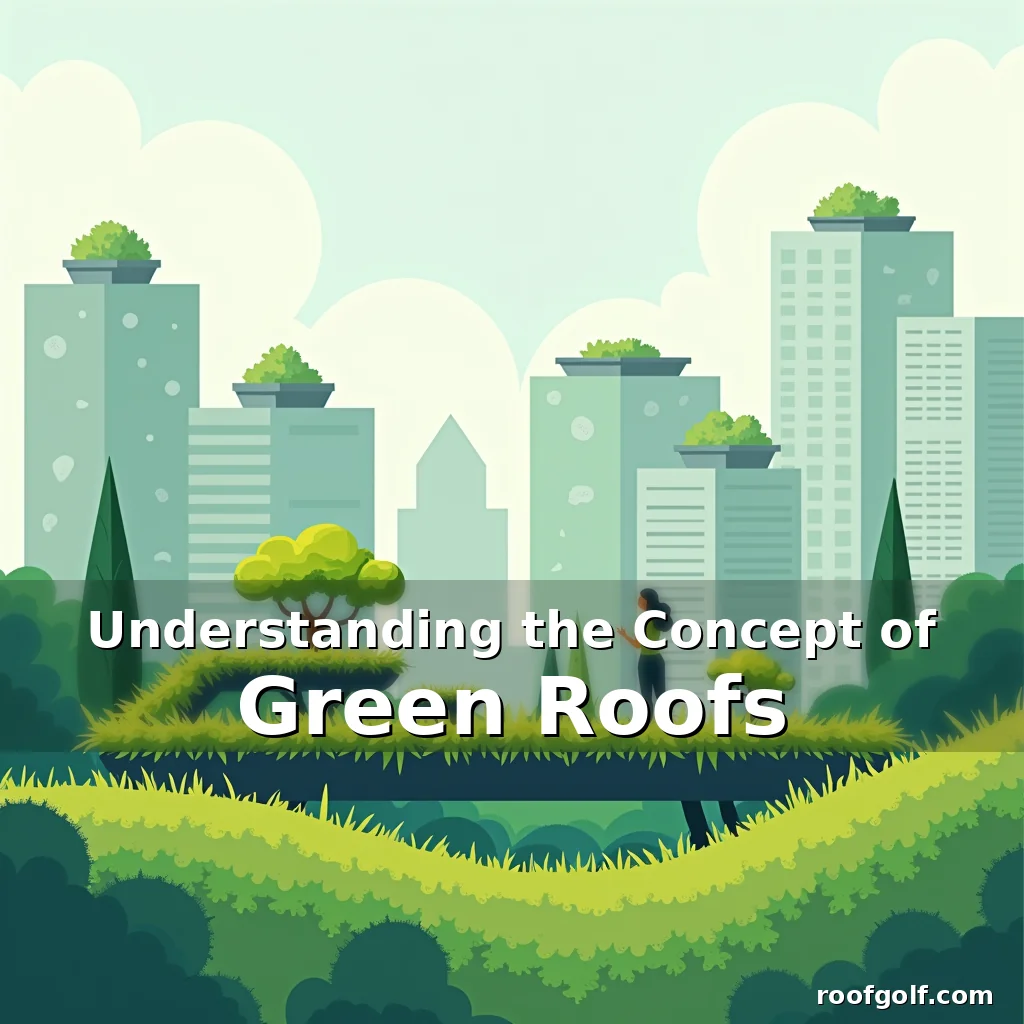
Understanding the Concept of Green Roofs
A green roof is essentially a layered system designed to support plant life atop buildings. This architectural feature goes beyond mere decoration by incorporating a waterproof membrane, drainage layer, growing medium, and diverse plant species tailored for rooftop conditions. The primary objective behind implementing green roofs lies in harnessing natural processes to mitigate environmental impacts associated with traditional construction methods.
Different types of green roofs exist based on their structural requirements and maintenance needs. Extensive green roofs utilize lightweight soil mixtures ideal for hardy plants like sedums and grasses, whereas intensive green roofs require deeper substrates suitable for shrubs, trees, and even small gardens complete with walkways and seating areas. Understanding these distinctions allows property owners to make informed decisions aligned with both spatial constraints and ecological goals.
Extensive vs. Intensive Systems:
- Extensive Roofs: These use minimal depth soils (typically less than 6 inches) which makes them lighter weight options perfect for existing rooftops without additional reinforcement. They usually contain low-maintenance vegetation such as mosses or succulents that thrive under harsher weather conditions typically found on top floors.
- Intensive Roofs: In contrast, intensive systems demand substantial infrastructure capable of supporting heavier loads due to richer soils depths reaching up to several feet thick. Such setups enable cultivating wider range flora including flowering plants along with edible crops provided there’s adequate sunlight exposure available year round.
Both forms serve distinct purposes depending upon whether one seeks passive ecological services through simple coverage versus active engagement via recreational amenities accessible directly from upper levels within cityscapes.
Eco-Friendly Benefits of Implementing Green Roof Solutions
The adoption of green roofs contributes immensely toward promoting sustainability across multiple dimensions affecting modern metropolises globally today. One prominent advantage includes significant reduction in energy consumption related primarily to heating during colder months and cooling efforts necessary during hotter seasons thanks largely because vegetative cover provides superior thermal regulation properties compared against standard materials used traditionally before.
Studies conducted over recent years indicate that well-designed green roofs can lower indoor temperatures by approximately two degrees Celsius inside commercial buildings located beneath them thereby reducing reliance upon artificial climate control mechanisms leading ultimately towards decreased carbon footprints generated through electricity usage alone.
Additionally, another crucial benefit stems from effective management of rainwater runoff; conventional impervious surfaces commonly seen around urban environments tend to channel excessive amounts of precipitation quickly back into sewer systems often overwhelming capacities especially after heavy rainfall events causing flooding issues downstream.
Green roofs act as natural sponges absorbing surplus water either retaining moisture within substrate layers until evaporation occurs naturally occurring process or slowly releasing collected liquid gradually back downwards helping prevent sudden surges damaging nearby infrastructures simultaneously enhancing groundwater recharge cycles beneficial long-term hydrological balance maintaining healthy ecosystems thriving amidst concrete jungles synonymous contemporary urban settings.
Moreover, integrating biodiversity into built environments becomes feasible when considering implementation strategies involving native plant selections adapted specifically local climates ensuring successful establishment growth without requiring extensive irrigation regimes nor chemical treatments detrimental wildlife habitats surrounding immediate vicinity projects situated within dense populated regions experiencing rapid development phases currently underway worldwide.
Design Considerations for Successful Green Roof Implementation
Before embarking upon any endeavor aimed at transforming flat surfaces atop structures into verdant landscapes, thorough evaluation concerning technical aspects must precede actual execution stages involved constructing such complex yet rewarding undertakings successfully realizing intended objectives set forth initially planners architects engineers collaborating closely alongside horticulturists ecologists alike.
Initial assessments involve determining load-bearing capabilities inherent particular buildings since varying weights imposed upon underlying frameworks differ considerably according to chosen configurations; light-weight extensive variants impose relatively modest pressures whereas heavier-intensive counterparts necessitate reinforcing measures strengthening original supports preventing potential structural failures ensuing prolonged periods operation.
Waterproofing remains paramount priority ensuring longevity durability installations avoiding costly repairs resulting leaks breaches compromising integrity entire systems deployed subsequently installed layers comprising membranes root barriers drain mats filter fabrics etcetera forming essential components safeguarding base structure protected moisture intrusion sources.
Selecting appropriate vegetation depends heavily upon microclimatic factors influencing viability selected species including sun exposure duration intensity prevailing wind patterns humidity levels accessibility nutrients availability among other variables dictating optimal choices facilitating robust growth maintenance manageable lifespans aligning expectations stakeholders invested outcomes derived initiatives undertaken.
Furthermore, irrigation provisions merit careful consideration particularly locations lacking sufficient rainfall frequencies unreliable distribution schedules calling attention need reliable supplemental watering apparatuses automated drip lines smart sensors monitoring soil moisture status triggering timely replenishment cycles conserving resources maximizing efficiency minimizing waste occurring otherwise situations neglect oversight responsibilities assigned caretakers designated roles overseeing upkeep routines scheduled periodically checking health indicators identifying early signs distress ailments remedial actions taken promptly mitigating risks cascading effects spreading unchecked left unaddressed.
Cost Analysis and Long-Term Financial Implications
Investing in green roof technology entails upfront expenditures covering design consultation phase material procurement installation labor costs ongoing maintenance expenses required sustaining vitality ecosystem cultivated thereafter. While initial outlays might appear considerable compared alternatives conventional roofing techniques widely utilized currently market place however examining broader financial horizon reveals compelling arguments favoring strategic investment focused enduring returns realized throughout lifespan facility concerned.
Accordingly, comparing direct monetary figures incurred establishing green roofs versus traditional counterparts highlights notable differences although exact numerical values fluctuate depending regional markets regulatory frameworks tax incentives available jurisdictions governing respective territories. Nevertheless general trends suggest average installation prices hovering somewhere between $10-$30 per square foot inclusive all necessary elements mentioned earlier constituting comprehensive package delivered end-users seeking viable solutions addressing current demands confronting escalating climate change repercussions intensifying frequency severity extreme weather phenomena threatening stability foundations societies dependent increasingly fragile infrastructural networks.
Despite higher initial capital requirements, long term savings manifest themselves predominantly through reduced utility bills stemming diminished requirement mechanical HVAC systems operating continuously attempting compensate deficiencies poor insulation performance exhibited bare metal sheets asphalt shingles commonly featured typical constructions lacking insulating attributes present vegetated surfaces offering natural buffering effects curbing temperature fluctuations experienced interior spaces consequently decreasing overall power consumption associated conditioning activities executed routinely maintaining comfortable ambient conditions occupants reside premises occupied regularly daily basis.
Maintaining green roofs involves periodic pruning harvesting dead foliage replacing damaged plants inspecting irrigation systems verifying functionality components ensuring consistent hydration maintained desired levels promoting healthy development organisms inhabiting created habitats. Although routine upkeep incurs minor recurring charges relative magnitude initial investments still negligible compared potential losses avoided attributable unforeseen damages caused improper drainage management insufficient vegetation cover exacerbating vulnerabilities exposed underlying structures subjected relentless bombardment elemental forces unmitigated by protective layers strategically positioned intercepting adverse effects originating external environment.
Governmental bodies recognizing significance contributions green roofs making towards achieving national targets regarding emissions reductions pollution abatement water conservation programs frequently offer subsidies rebates tax credits encouraging private sector participation public-private partnerships fostering collaborative efforts advancing shared vision greener sustainable futures collectively shaping policies directives guiding industry standards compliance benchmarks upheld consistently monitored enforced rigorously guaranteeing accountability transparency adherence established protocols guidelines prescribed experts field ensuring equitable access opportunities afforded communities regardless economic backgrounds geographical locations.
Case Studies Highlighting Real-World Applications
Globally numerous examples demonstrate successful implementations green roof technologies serving dual purposes enhancing visual appeal contributing positively environmental metrics achieved through calculated planning meticulous execution attentive follow-ups post-construction phases. Cities pioneering initiatives include Toronto Vancouver Chicago New York City each having adopted legislation mandating inclusion green space percentages new developments aiming reduce strain municipal infrastructures alleviate pressure already overstretched systems managing increasing volumes contaminants entering treatment facilities annually processed tremendous quantities raw sewage industrial effluents domestic wastewater requiring sophisticated filtration procedures expensive purification steps implemented strictly regulated codes enforced uniformly nationwide.
Toronto pioneered North America’s first mandatory green roof policy enacted 2009 requiring minimum 20% roof surface area covered vegetation buildings exceeding certain size thresholds. Resultant transformations visible skyline featuring distinctive textured patterns contrasting uniform grey tones former monochromatic landscapes now showcasing vibrant patches alive organic matter interacting dynamically atmospheric elements producing aesthetically pleasing vistas enriching residents’ experiences navigating urban corridors previously devoid such features absent prior regulations imposing restrictions limitations stifling creativity innovation flourishing ecosystems harmonizing human habitation nature seamlessly.
Vancouver similarly embraced progressive measures instituting 2018 regulation stipulating all newly constructed residential towers incorporate at least 15% green coverage rooftop areas irrespective project scale. Consequently neighborhoods exhibiting increased bird populations pollinators attracted flowers blooming consistently throughout seasons providing continuous food sources attracting diverse fauna coexisting comfortably alongside inhabitants benefiting heightened sense wellbeing arising proximity lively biodiverse surroundings enhancing mental clarity physical activity levels correlated regular interaction natural environments proven scientifically linked lower stress hormones elevated mood states observed participants engaged outdoor pursuits versus those confined indoor settings reliant electronic devices screens consuming majority leisure time spent isolated digital realms disconnected tangible realities unfolding outside windowsills balconies terraces.
New York City has witnessed remarkable growth green roof installations following introduction Local Law 97 aiming slash greenhouse gas emissions 40% below 2005 levels by 2030. Buildings adopting green roofs report measurable declines energy expenditure roughly 20-30% attributed efficient insulation properties plant roots acting thermal buffers slowing rate heat transfer penetrating inner walls ceilings floorboards thereby maintaining stable internal temperatures independent external climatic variations impacting comfort levels occupants residing interiors shielded natural defenses erected deliberately engineered systems designed precisely counteract negative consequences conventional building practices historically responsible accelerated global warming trends exacerbated anthropogenic activities persistently emitting pollutants atmosphere accumulating irreversibly altering planetary trajectories forecasted models projecting catastrophic scenarios unless drastic mitigation actions commenced immediately comprehensively addressed holistically.
Chicago stands testament efficacy green roofs combating urban heat island effect evident sweltering summer days amplified absence greenery. Through program launched decade ago incentivized businesses install green roofs receiving financial rewards offsetting partial costs borne developers investors. Subsequent data revealed mean temperatures reduced 5°F neighborhood zones equipped vegetation compared adjacent non-treated sites demonstrating practical application theoretical principles validated empirical evidence bolstering credibility scientific discourse prompting further research investigations exploring novel applications expanding horizons possibilities envisioning future cities integrated seamlessly with thriving botanical entities augmenting quality life indices quantifiably assessed periodically updated databases tracking progress milestones achieved benchmarked against aspirational goals articulated visionary leaders steering municipalities toward cleaner brighter tomorrow.
Challenges and Limitations Associated With Green Roof Installation
While advantages green roofs abundant undeniable, challenges accompany implementation process warrant careful examination preceding commitment pursuing such ambitious undertakings. Principal obstacles encompass high initial costs, specialized expertise required designing executing projects effectively, maintenance complexities, and potential legal restrictions hindering widespread adoption despite clear environmental benefits accrued from these interventions.
Financial considerations remain foremost concern deterring many prospective adopters despite long-term savings promised by lowered utility bills and extended building lifespans. Upfront investment necessary acquiring premium materials installing multi-layered systems trained professionals capable executing tasks accurately without shortcuts jeopardizing structural integrity undermining effectiveness intended functions rendered. Additionally, retrofitting older buildings may prove more complicated costly due outdated infrastructure incapable bearing additional loads imposed by heavy soil layers required intensive systems demanding reinforcement works potentially disruptive operational continuity enterprises relying affected facilities during transition periods.
Technical intricacies involved designing functional aesthetically pleasing green roofs cannot underestimated. Proper engineering analyses prerequisites determine feasibility given building specifications load capacity calculations waterproofing requirements selecting compatible vegetation types suited microclimate characteristics prevailing site conditions. Without adequate preparation erroneous assumptions lead disastrous results leakage damage degradation premature failure systems conceived improperly conceived hastily executed rushed projects doomed collapse shortly after completion highlighting importance meticulous planning rigorous testing trials conducted prior full-scale deployment ensuring reliability safety assured stakeholders invested resources entrusted competent hands proficient fields relevant disciplines.
Maintenance obligations represent ongoing burden necessitating dedicated personnel schedules regular inspections servicing equipment tending flora removing debris cleaning filters pruning overgrowth monitoring pest infestations responding emergent issues swiftly preemptively rather reactively. Neglecting duties result proliferation weeds encroaching upon cultivated areas diminishing visual appeal impairing ecological functionalities originally envisioned henceforth rendering investments futile wasted effort money expended fruitlessly yielding nothing tangible positive impact sought initially motivating pursuit such endeavors.
Lastly, regulatory hurdles pose formidable roadblocks obstructing seamless integration green roofs existing urban frameworks. Zoning laws building codes vary jurisdictionally sometimes conflicting requirements limiting flexibility innovators striving implement groundbreaking ideas pushing boundaries redefining norms customary accepted conventions. Navigating bureaucratic labyrinths consumes precious time resources diverting attention core missions focused delivering impactful solutions efficiently effectively meeting ever-evolving societal demands placed upon architects engineers policymakers tasked orchestrating delicate balance between developmental aspirations ecological preservation imperative protecting planet earth its finite resources.
Fostering Community Engagement Through Green Roofs
Beyond individual building-level implementations, green roofs possess transformative potential catalyzing community-driven initiatives nurturing collective consciousness towards environmental stewardship. When thoughtfully integrated into public spaces, they become catalysts sparking conversations igniting passions mobilizing volunteers rallying together common cause advocating sustainable lifestyles embedded everyday interactions fostering deeper connections neighbors colleagues citizens united purpose cultivating resilient societies grounded mutual respect appreciation natural world.
Community gardens established atop communal rooftops provide fertile ground cultivating relationships among residents transcending demographic divides bridging gaps socioeconomic statuses cultural backgrounds. Shared gardening experiences promote social cohesion enhance interpersonal skills develop empathy understanding rootedness derived nurturing living things observing cycles growth decay mirroring human existence itself revealing profound truths about interdependence resilience adaptability inherent lifeforms regardless form manifested.
These green sanctuaries double as educational platforms imparting knowledge ecological principles through experiential learning opportunities children adults alike participating guided tours workshops seminars led